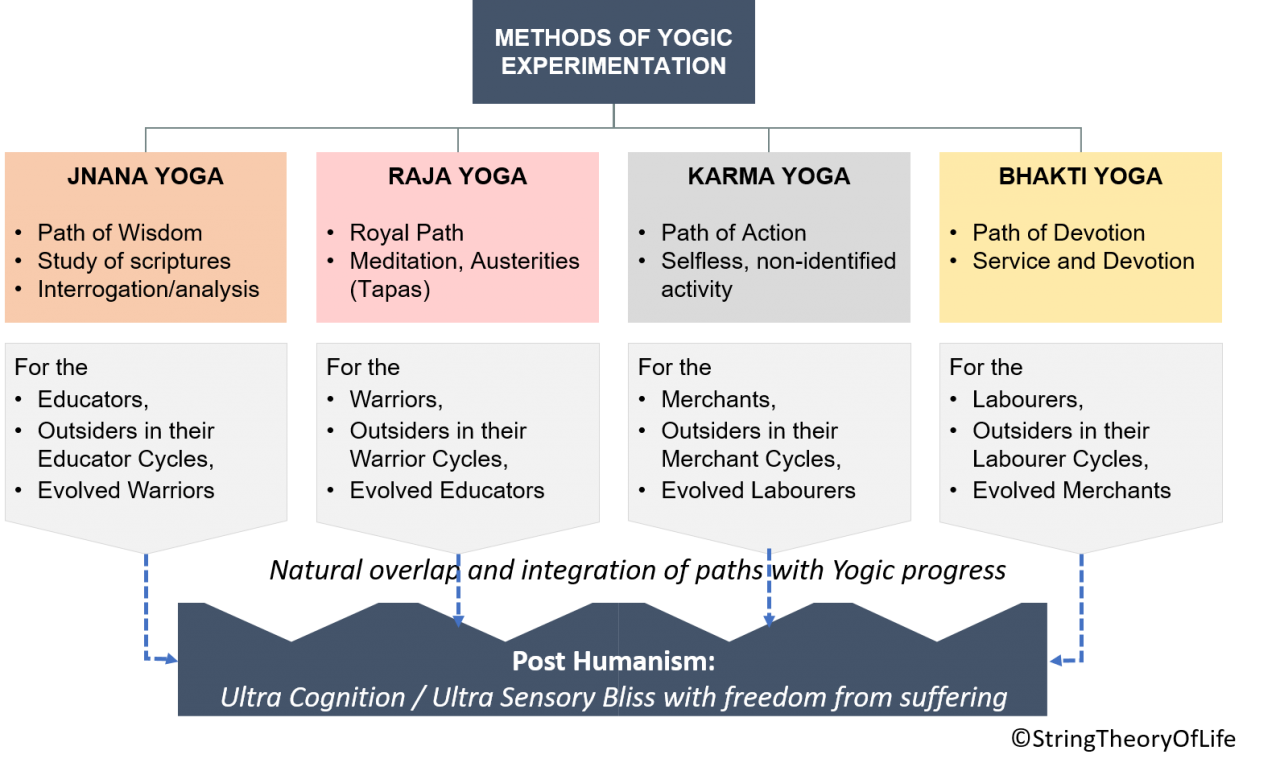
Four Modes of Yogic Experimentation for the five operating systems in humans
The four yogic paths to evolution: What all dharma types can evolve towards There can be four modes, four […]
The four yogic paths to evolution: What all dharma types can evolve towards There can be four modes, four […]
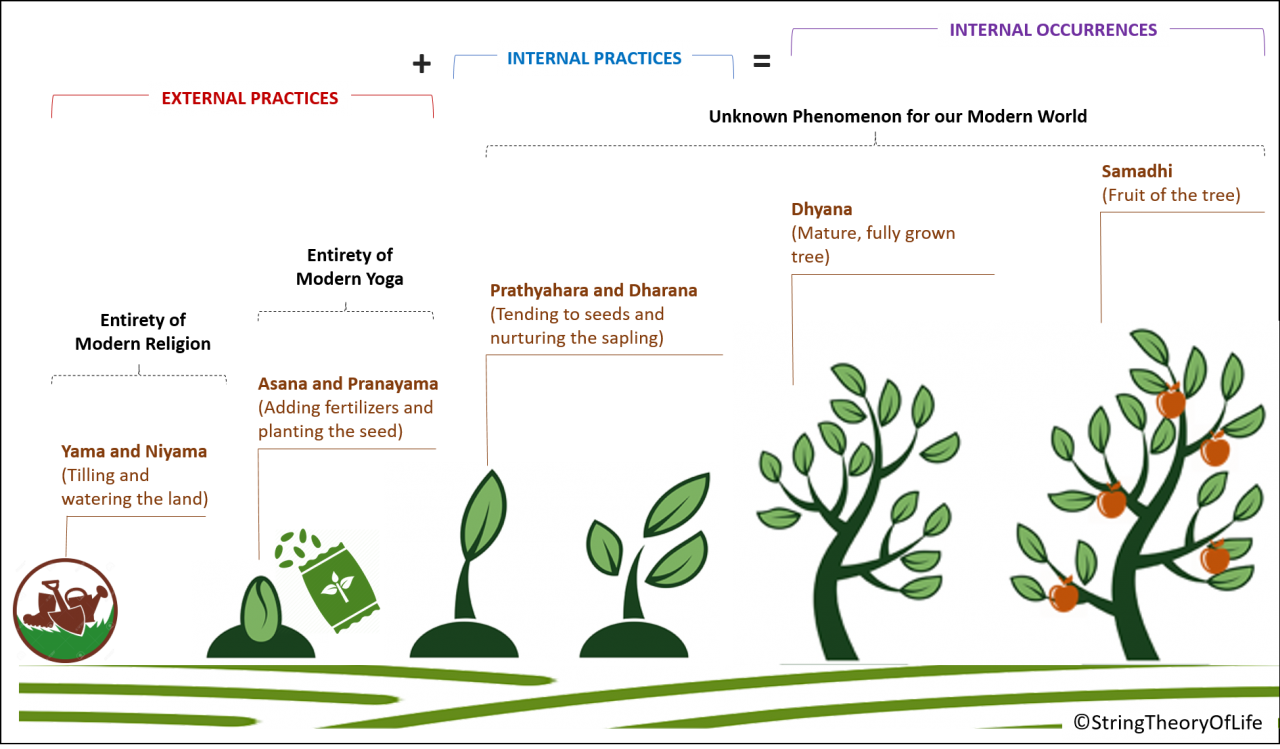
Patanjali, in his Yoga sutras, outlines the growth of yoga in the human system as an eight-limbed organism. From the external practices of Yama, Niyama, Asana and Pranayama to the internal practices of Pratyahara and Dharana, leading to internal ‘states’ of Dhyana and Samadhi. Notice the difference between internal practices and internal states.
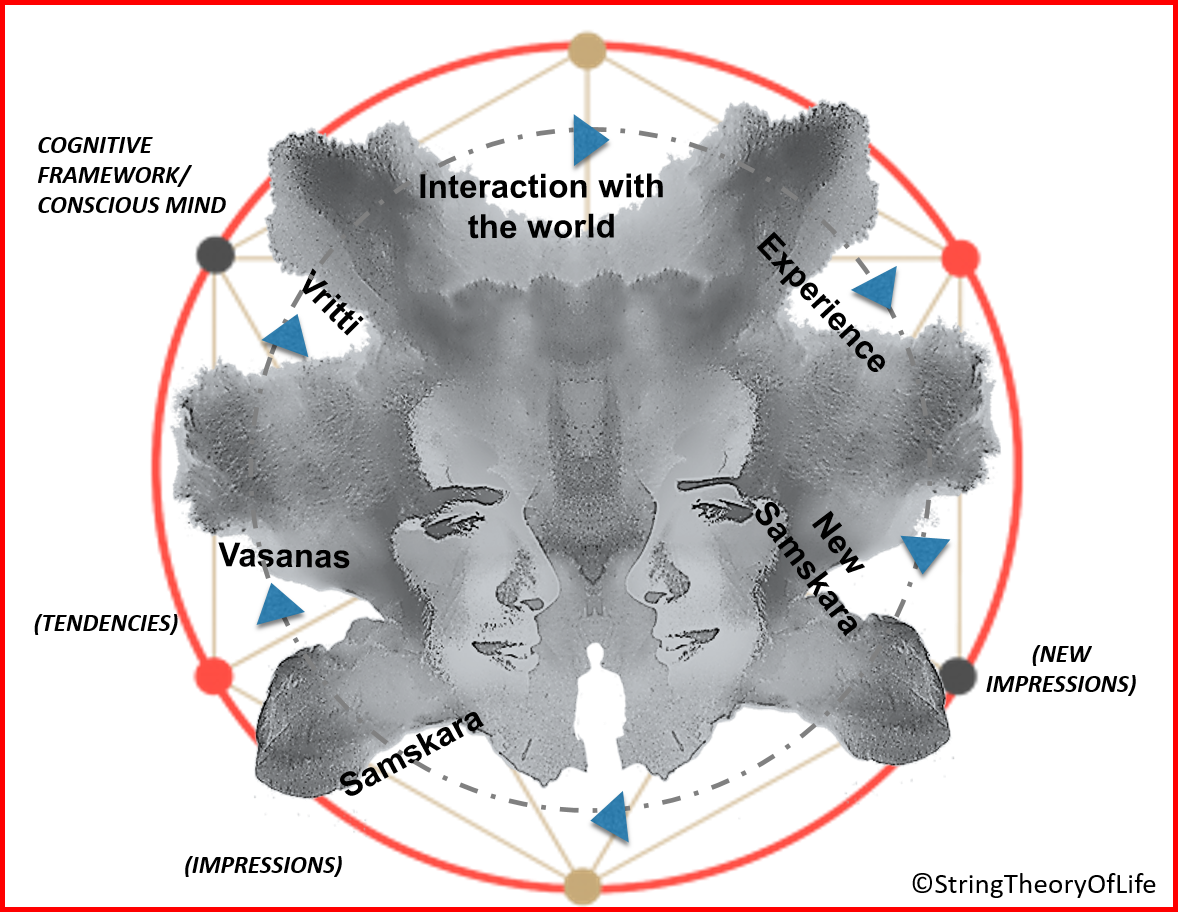
Yoga gives a far more penetrating understanding of the fractious idea of free will. To explain free will in the Yogic model, we will have take another look at our psycho-mental complex.
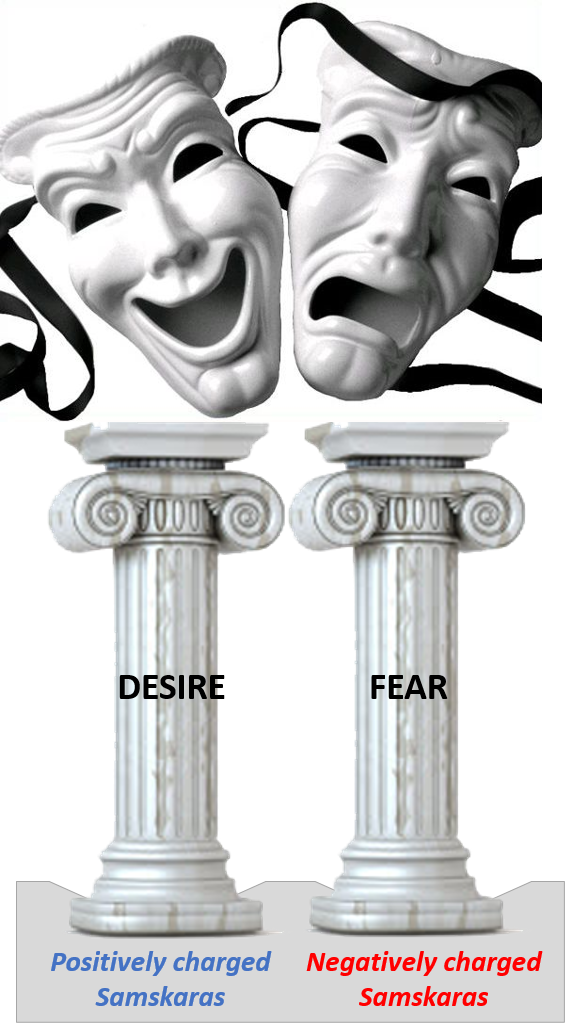
Ahamkara, the identity, was briefly touched upon in an earlier blog. Personal identity, as we understood, is your misunderstanding. A misappropriation of attributes not belonging to you, not consciously anyway. In an ordinary state, you are almost as responsible for your identity, your personality as you are for your height or eye colour. Well almost.

There is an intrinsic, built-in duality in every attribute nature has provided you. With your mind, you can either think and analyse so deeply that you reject any other mode of knowing. Or you can become completely thoughtless. With your intense thoughts you can either become a ground-breaking scientist, or with the absolute lack of them you become a consummate Yogi in entasy (samadhi).
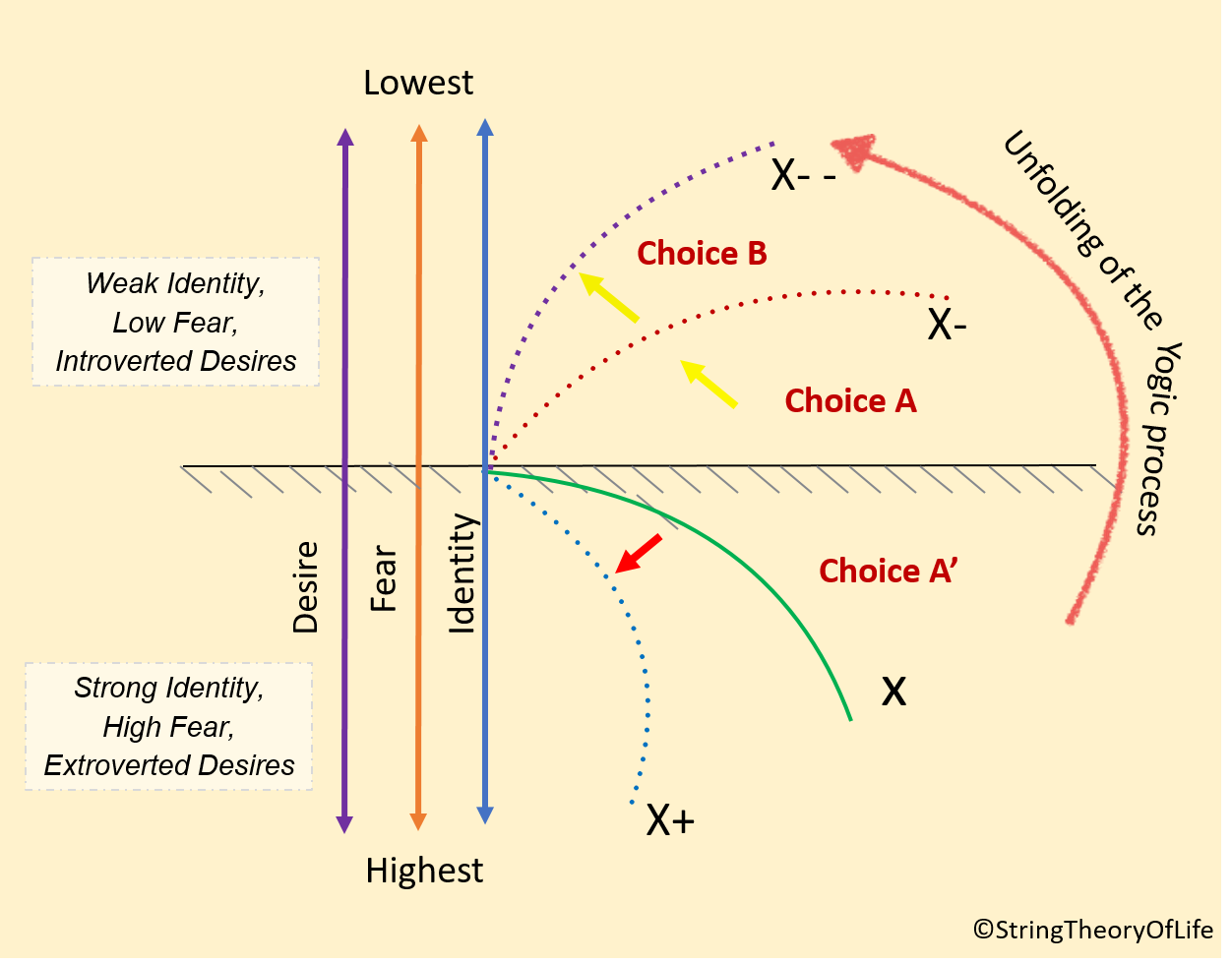
Choice and free will, as we understand in modern society, require us to make rational choices guided by some basic rules of morality and ethics. In the Yogic paradigm, this is a poor oversimplification of truth. First, because no action is wrong or right per se and the motivation for choosing is either evolution or devolution.
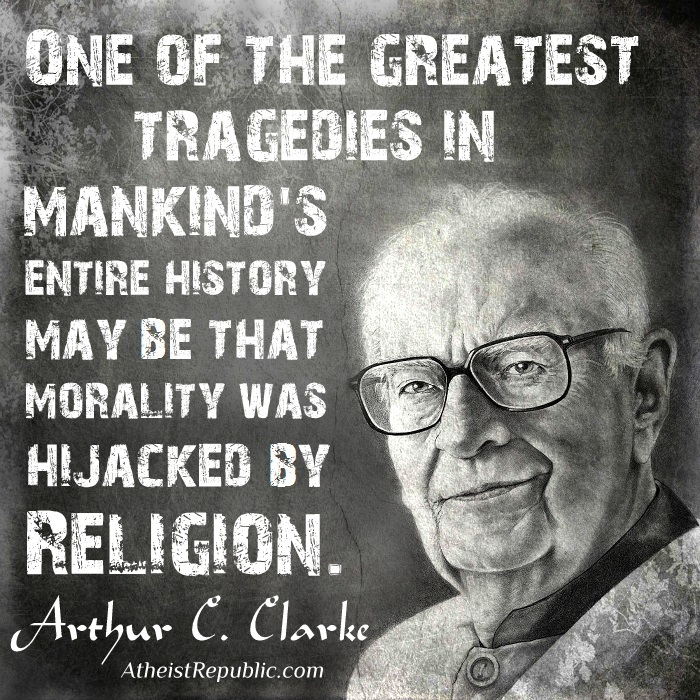
” As a source of objective morality,the bible is one of the worst books may have. It might be the very worst, in fact, if we didn’t also have the Quran”- Sam Harris.
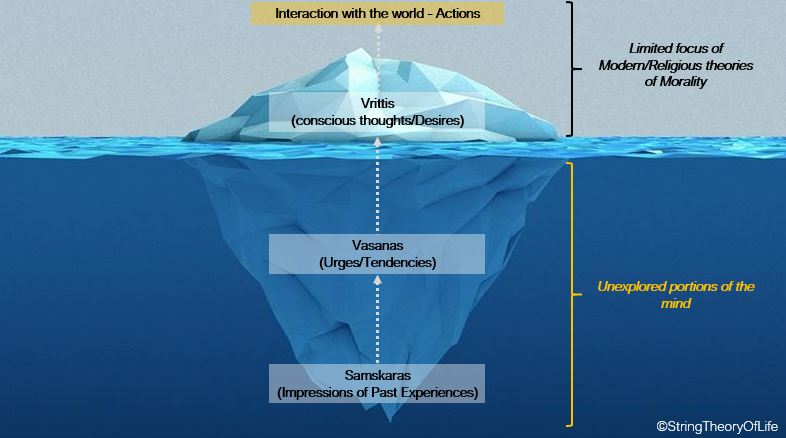
So what was the organic Yogic process, taking birth and consummating in the human system became the static, dogmatic tragedy of religion. The psycho-biological evolution which is a human imperative became the disturbing excess of Gods. How can we then trust moral frameworks of religions after knowing this? When religions in themselves are false and fantastical, what validity will their moral codes have?
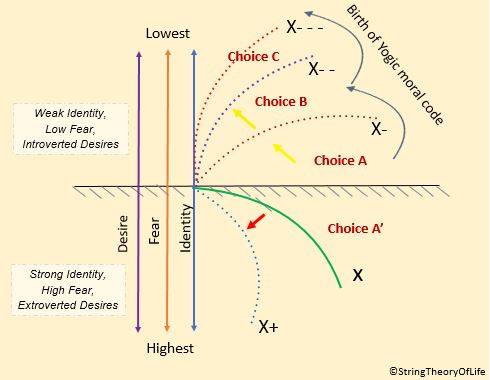
In Yogic science, morality is not duty, but an evolutionary impulse. Just like the impulse for sexuality or for reproducing. It is biological program, which charters its own course, once you set into motion. You do not have to do much to give birth, apart from conceiving a baby. Just that way, Yoga is a program of nature.
The New Fuss About College GPA Calculator The Fight Against College GPA Calculator Your semester grades will also be the